Jesus and Edessa
Jesus, King of Edessa
Jesus was a king of Edessa, in northern Syria
Ralph Ellis
His article, version 1.5a. No journal of first publication is printed in the file.
The gospel events are placed in the AD 60s, and the king in that history is a king of Edessa in northern Syria.
The texts he uses
He points to Matthew 23:35 and Luke 11:51, Matthew 23:5–6 and Mark 12:38–39, and Luke 19:43. He says these verses name people and a siege of the AD 60s and of AD 70, not of the AD 30s. He also says the Vulgate Cycle has Joseph of Arimathea serving the emperor Vespasian, and then puts him to sleep for forty years so that the orthodox dates can be kept. The verses and the romance exist. What they refer to is his reading. He does not name the Greek or Latin edition on the opening pages.
His reading
He writes that Saul, who became Paul, is Josephus, the first-century historian. He says he proposed that identification in Jesus, Last of the Pharaohs and argued it again in King Jesus. From it he draws the chronology: the gospel events belong in the AD 60s, about thirty-five years later than the usual dating. He treats that shift as the condition for identifying the king at all.
Cleopatra to Christ, in his account, derives the family from the Egypto-Persian queen Thea Muse Ourania, called Thermusa, who was sent to Parthia and then exiled to Syria. The article then places Jesus as a king of Edessa. He says critics, Christian and agnostic, have challenged the dates, and that the ancient texts keep returning the same result. He does not name those critics in the pages this account is drawn from. The file is signed Ralph Ellis, September 2012, and marked version 1.5a.
This page is the introduction. The full article, in his wording, is on its own page, and the PDF he issued remains there. The subtitle on the file is “Jesus was a king of Edessa, in northern Syria.”
Evidence library
Sources
- Ralph Ellis, “Jesus, King of Edessa,” version 1.5a, signed September 2012.
- Matthew 23:35 and Luke 11:51; Matthew 23:5–6 and Mark 12:38–39; Luke 19:43, as he cites them. He does not name an edition. The Latin checked for the library is the public-domain Vulgate from the Unbound Bible, issued by the Christian Classics Ethereal Library. That file is not named in his article.
Related records
Explore the book behind this research
Continue with the Books
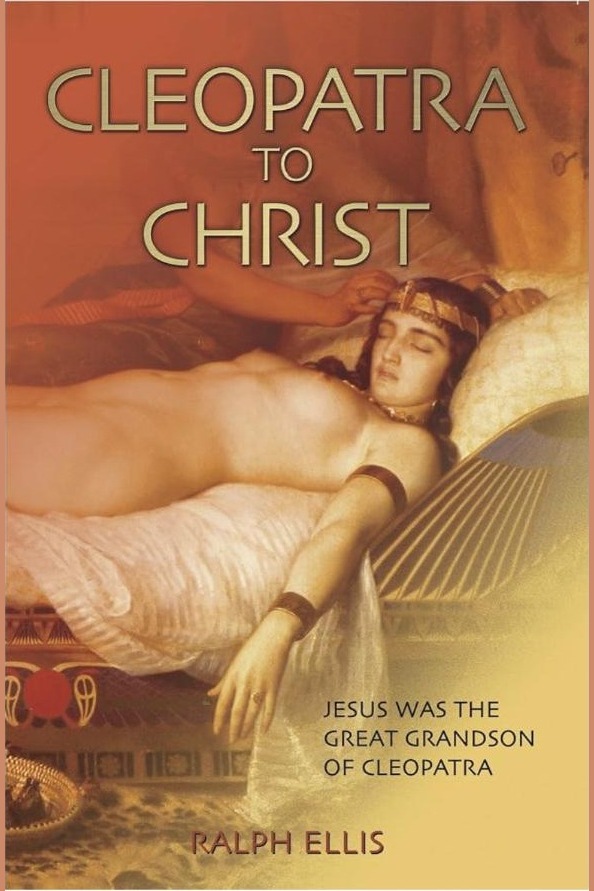
Cleopatra to Christ
Jesus, the great-grandson of Cleopatra

King Jesus
Prince of Judaea and Rome
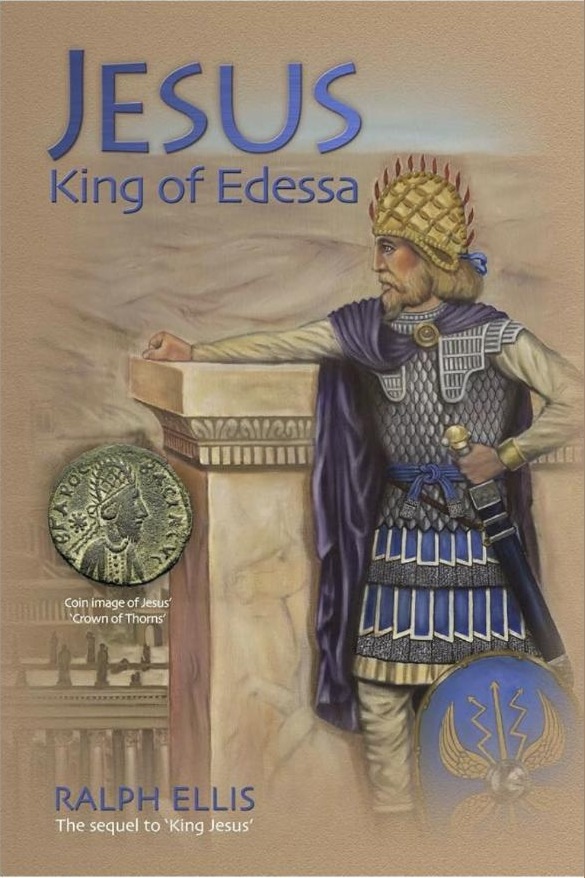
Jesus, King of Edessa
A first-century king in the historical record